How to Prepare for Divorce Mediation: Expert Advice from Salina Lawyers
MM
Understanding Divorce Mediation
Mediation is a process where a neutral third party assists divorcing couples in reaching agreements on various aspects of their separation. Unlike traditional court proceedings, mediation can be less adversarial and more collaborative. Salina lawyers often recommend this approach for its efficiency and focus on mutual agreement.
Preparation is key to successful mediation. Being well-prepared can help you articulate your needs and make informed decisions. Here’s expert advice on how to get ready for divorce mediation effectively.

Gather Necessary Documentation
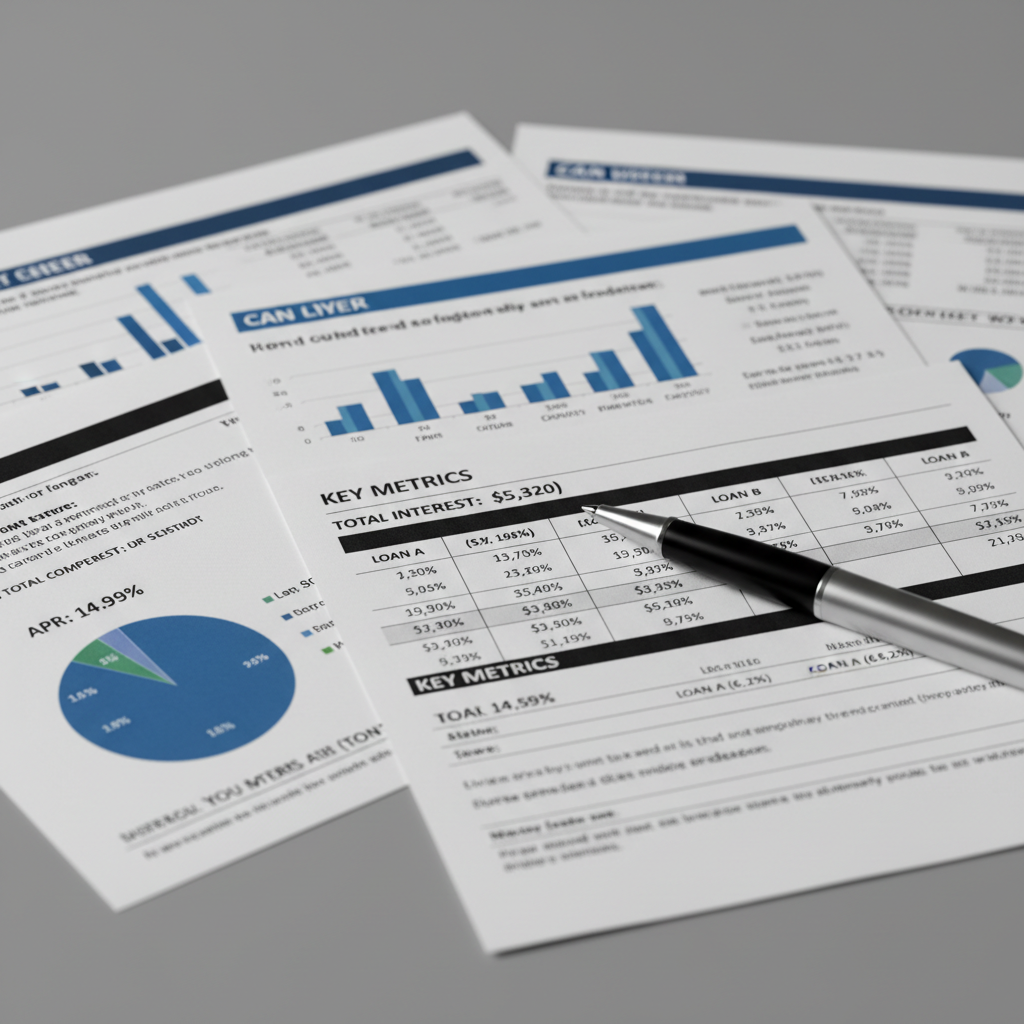
One of the first steps in preparing for mediation is gathering all relevant documentation. This may include financial statements, property deeds, and any previous agreements. Having these documents on hand will help you present your case clearly and accurately.
Make a comprehensive list of assets and liabilities. This list will serve as a crucial reference during discussions, ensuring that nothing is overlooked. Additionally, consider organizing these documents in a way that makes them easy to access during the mediation sessions.
Understand Your Goals and Priorities
Before entering mediation, it’s important to identify your goals and priorities. Consider what is most important to you, whether it's custody arrangements, property division, or financial support. Knowing your priorities will help you focus on achieving outcomes that align with your needs.
Salina lawyers suggest creating a priority list. This list can guide the mediation process and help you stay focused on what truly matters. Remember, mediation is about compromise, so be prepared to find middle ground where needed.
Consult with Your Lawyer
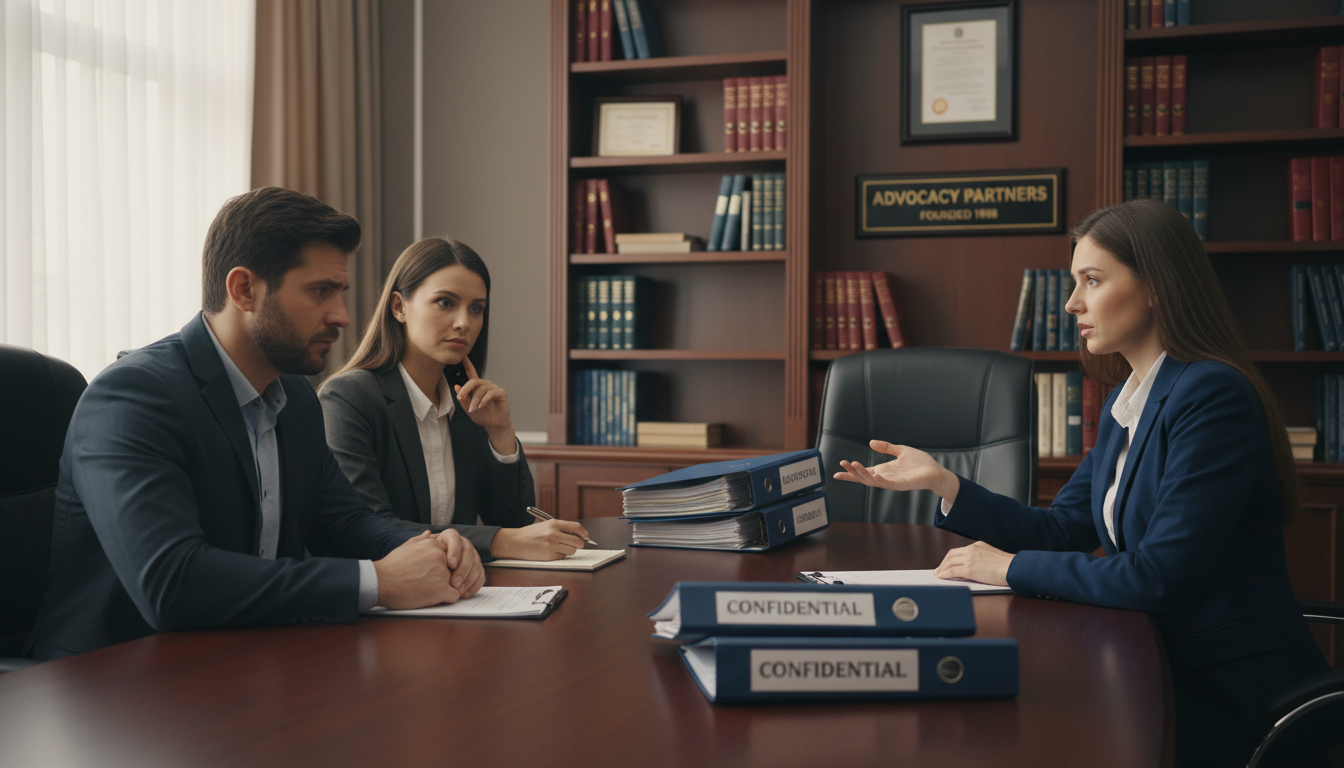
While mediation is a collaborative process, having legal counsel can be invaluable. A lawyer can provide advice on what to expect and how to approach negotiations. They can also help you understand the legal implications of any agreements reached during mediation.
Discuss potential outcomes with your lawyer beforehand. This discussion can provide clarity on what is realistic and achievable, helping you enter mediation with a clear and informed mindset.
Practice Effective Communication
Effective communication is crucial in mediation. Practice active listening and ensure you express your thoughts clearly and respectfully. Being open to the other party’s perspective can facilitate more productive discussions and lead to mutually beneficial agreements.
Consider engaging in role-playing exercises with a friend or your lawyer to improve your communication skills. This practice can help you remain calm and composed during the actual mediation sessions.
Plan for the Future
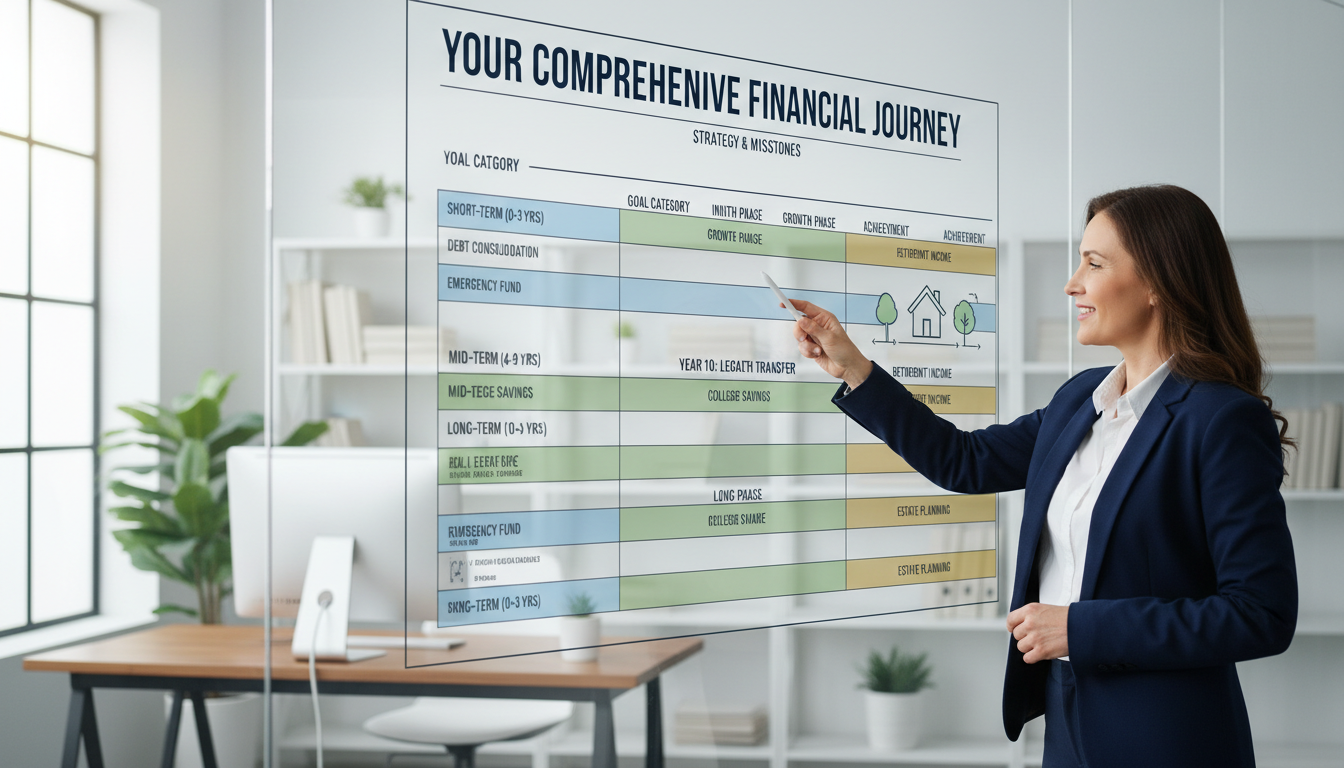
Divorce mediation isn’t just about resolving the present issues; it’s also about planning for the future. Think about how decisions made during mediation will affect your life moving forward. Consider aspects like future living arrangements, co-parenting plans, and financial stability.
Salina lawyers emphasize the importance of crafting an agreement that is sustainable and adaptable to future changes. Take time to discuss potential scenarios and how they might be addressed within the mediation framework.
Stay Open and Flexible
Mediation requires a willingness to be flexible and open-minded. Entering the process with a rigid mindset can hinder progress. Instead, focus on collaboration and be open to creative solutions that satisfy both parties.
Remember, the goal of mediation is to reach a fair and equitable agreement. Keeping an open mind can lead to solutions that you might not have initially considered, benefiting both parties in the long run.